A push against junk food has led to six more states banning sugary drinks and snacks from SNAP buys. The goal is to help people in the program eat better.
The U.S. Department of Agriculture has approved waivers for Hawaii, Missouri, North Dakota, South Carolina, Virginia, and Tennessee. These let the states limit what folks can buy with Supplemental Nutrition Assistance Program (SNAP) benefits, also called food stamps. These states join 12 others that got the nod earlier this year.
That brings the total to 18. This step fits into the Trump team’s “Make America Healthy Again” (MAHA) plan. It aims to fight obesity and long-term illnesses by guiding SNAP funds to healthy foods.
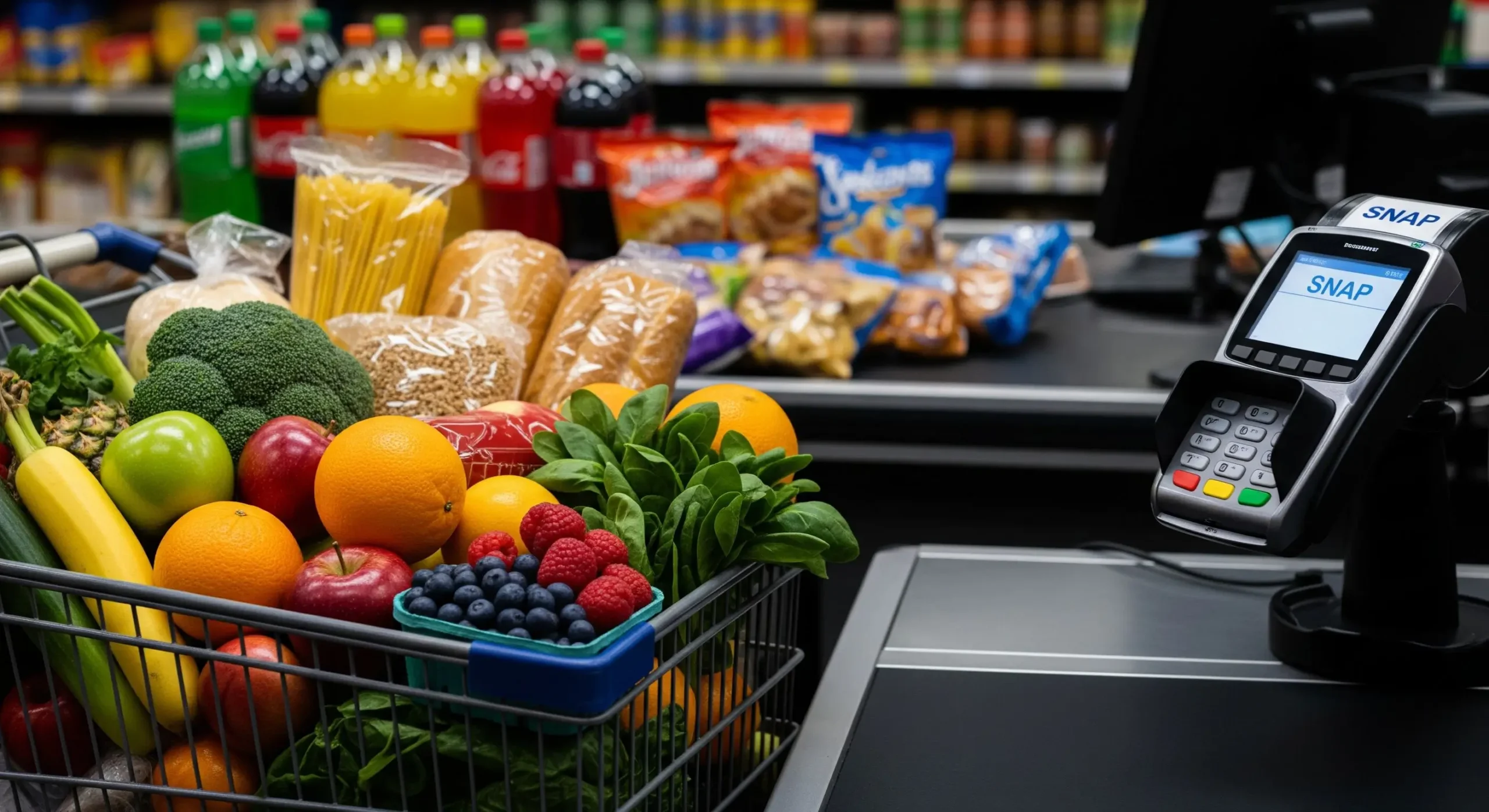
With these waivers. SNAP users in those states can’t buy things like soda, energy drinks, candy, ready-made desserts, or some drink mixes and juices with less than 50% real fruit or veggies. The full list may differ by state. But the main idea is to cut high-sugar, processed foods.
Critics say these add to problems like diabetes and heart disease. Most limits start on January 1, 2026. Missouri will begin on October 1. Waivers run for two years and can be renewed.
Agriculture Secretary Brooke Rollins called the approvals a health victory.
“We are bringing SNAP back to its real goal—nutrition,” she said. “With the MAHA plan, we take strong steps to end the wave of long-term diseases.”
Health and Human Services Secretary Robert F. Kennedy Jr. said, “We can’t keep a system where taxpayers pay to make people sick and then pay again to fix it.” The policy comes from a “Laboratories of Innovation” program. It urges states to suggest ways to improve federal food programs.
Governors in the new states like the shift. Missouri’s Mike Kehoe said it helps “boost nutrition for families.” Virginia’s Glenn Youngkin supports cuts to sweet drinks in SNAP. But not all agree. Groups like the Food Research & Action Center (FRAC) want the USDA to halt these waivers.
They call them bad for hungry families, hard on state offices, and tough for stores. Critics fear low-income people may face more shame or hurdles to get food. Past USDA heads from both parties often turned down such asks. They saw them as too hard to carry out.
SNAP aids about 42 million Americans with grocery buys each month. Benefits average $291 per person. Backers say the bans respect taxpayer cash and push better eating. Foes call for more teaching and easy access to healthy foods, not limits.
The first 12 states are Arkansas, Colorado, Florida, Idaho, Indiana, Iowa, Louisiana, Nebraska, Oklahoma, Texas, Utah, and West Virginia. With the new ones, more than a third of states now have some limits.
States get extra money for junk food bans. This may help with the changes. As the policy grows, keep an eye on effects on health and how people use the program.